
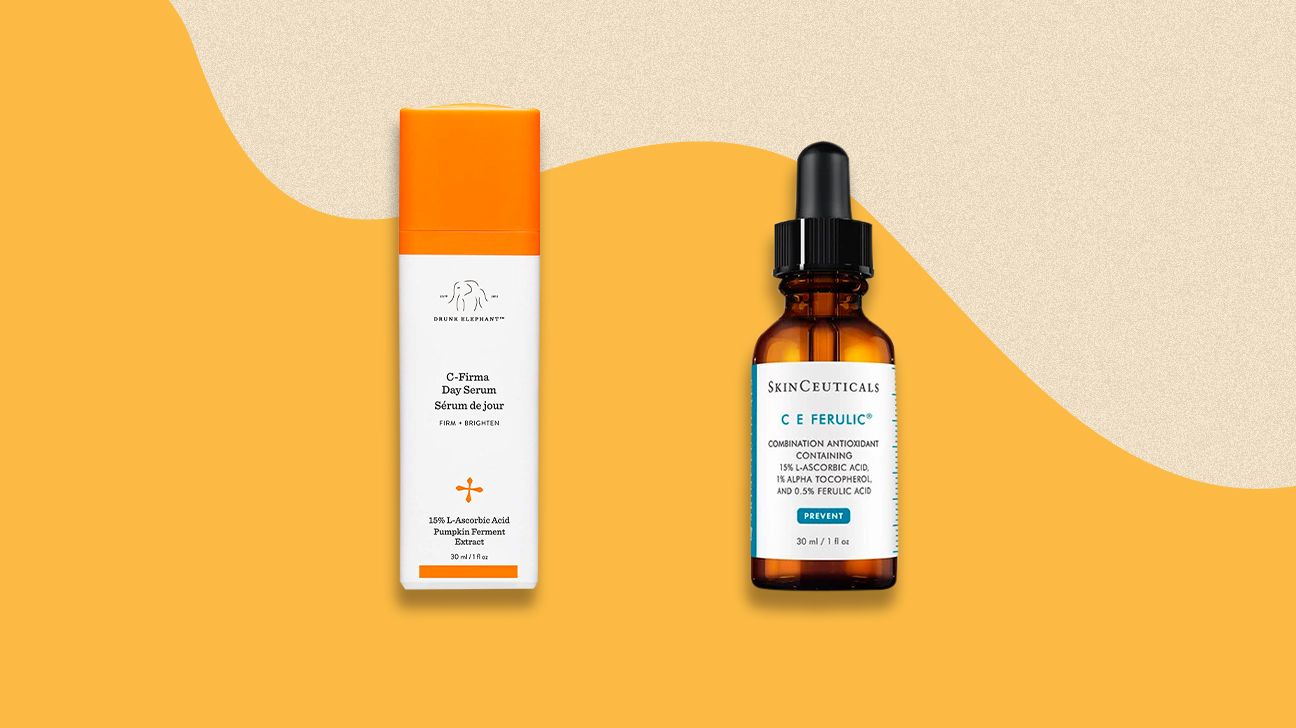
Vitamin C serum has become one of the most talked about skincare essentials in recent years. From brightening dull complexions to targeting stubborn dark spots, it is often described as a transformative product. However, not every formula works the same for every skin type. Choosing the best vitamin C serum requires more than picking the first bottle you see online.
This comprehensive guide will help you understand how vitamin C works, what to look for in a formula, and how to select the right option based on your skin type and concerns. Whether you struggle with acne, dryness, sensitivity, or uneven tone, you will learn how to make a confident and informed decision.
Why Vitamin C Is a Skincare Essential
Vitamin C is a powerful antioxidant that helps protect the skin from environmental damage caused by pollution and ultraviolet exposure. It supports collagen production, brightens the complexion, and helps reduce the appearance of dark spots and fine lines.
Here are some of the primary benefits:
• Improves overall skin brightness
• Fades hyperpigmentation and dark spots
• Boosts collagen production
• Protects against environmental stressors
• Enhances skin texture and radiance
Because of these benefits, many dermatologists consider it a cornerstone ingredient in modern skincare routines. When formulated correctly, the best vitamin C serum can visibly improve skin clarity and smoothness over time.
Understanding Different Forms of Vitamin C
Not all vitamin C serums are created equal. The effectiveness of the product often depends on the type of vitamin C used.
L ascorbic acid is the most researched and potent form. It works quickly but can be irritating for sensitive skin. Derivatives such as sodium ascorbyl phosphate and magnesium ascorbyl phosphate are gentler and more stable, making them ideal for those with reactive skin.
When choosing a serum, look for:
• Concentration between 10 percent and 20 percent
• Stable packaging such as dark or opaque bottles
• A formula that includes complementary ingredients like vitamin E or ferulic acid
The right combination enhances absorption and improves results.
Choosing the Best Vitamin C Serum for Oily and Acne Prone Skin
If you have oily or acne prone skin, your main goal is to find a lightweight formula that does not clog pores.
Look for:
• Oil free and non comedogenic formulas
• Concentration around 10 to 15 percent
• Added ingredients like niacinamide to help control excess oil
Vitamin C can help reduce post acne marks and support clearer skin. It is also one of the best products for hyperpigmentation caused by acne scarring.
Avoid heavy or creamy textures that may feel greasy. Instead, opt for fast absorbing serums with a thin consistency.
Selecting the Right Formula for Dry Skin
Dry skin benefits from vitamin C, but hydration is key. High strength formulas can sometimes cause dryness if not paired with moisturizing ingredients.
Look for serums that include:
• Hyaluronic acid
• Glycerin
• Ceramides
These ingredients help maintain the skin barrier while delivering brightening benefits. If you have very dry skin, start with a lower concentration and gradually increase as your skin builds tolerance.
Layer your serum with a nourishing moisturizer to lock in hydration and enhance results.
Vitamin C for Sensitive Skin
Sensitive skin requires extra caution. Strong formulas may cause redness or tingling, especially if your barrier is compromised.
Choose:
• A derivative form of vitamin C
• Concentrations below 10 percent
• Fragrance free and alcohol free formulas
Always perform a patch test before applying it to your face. Begin using it every other day to allow your skin to adjust.
When used correctly, even sensitive skin types can benefit from the best vitamin C serum without irritation.
Addressing Hyperpigmentation and Uneven Skin Tone
One of the most popular reasons people use vitamin C is to treat dark spots and uneven tone. It works by inhibiting melanin production, which helps fade discoloration over time.
If hyperpigmentation is your primary concern, look for:
• L ascorbic acid between 15 percent and 20 percent
• Ingredients like alpha arbutin or licorice extract
• Consistent daily use for at least eight to twelve weeks
Vitamin C is widely regarded as one of the best products for hyperpigmentation, especially when paired with sunscreen during the day. Sun protection is essential, as UV exposure can worsen discoloration and reduce the effectiveness of treatment.
How to Incorporate Vitamin C into Your Routine
Application technique matters just as much as product selection. For optimal results:
- Cleanse your skin thoroughly
- Apply a few drops of serum to dry skin
- Allow it to absorb fully
- Follow with moisturizer
- Apply sunscreen in the morning
Most experts recommend using vitamin C in the morning to maximize antioxidant protection. However, it can also be used at night if preferred.
Consistency is crucial. Visible improvements in brightness and tone typically appear after several weeks of regular use.
What to Avoid When Choosing a Serum
While shopping for the best vitamin C serum, be mindful of these common mistakes:
• Choosing a concentration that is too high for your skin type
• Ignoring expiration dates
• Storing the product in direct sunlight
• Mixing with incompatible ingredients without guidance
Vitamin C oxidizes when exposed to air and light. If your serum turns dark orange or brown, it may have lost its potency.
Also, avoid combining strong exfoliating acids and high strength vitamin C in the same routine unless your skin is already well adjusted. Overuse can compromise the barrier and cause irritation.
How to Recognize a Quality Formula
Quality matters when it comes to active ingredients. A well formulated serum should:
• Be packaged in a dark, airtight container
• Clearly state the concentration
• Include stabilizing ingredients
• Have a light texture that absorbs quickly
Price alone does not determine quality. Instead, focus on ingredient transparency and proper formulation.
Reading reviews and checking ingredient lists can help you narrow down your options. Over time, you will identify what works best for your skin.
When to Expect Results
Patience is important with any skincare product. While some users notice an immediate glow, deeper changes such as fading dark spots may take eight to twelve weeks.
Improvements typically include:
• Brighter complexion
• Reduced appearance of fine lines
• More even skin tone
• Smoother texture
The best vitamin C serum will deliver gradual but noticeable improvements when used consistently.
Combining Vitamin C with Other Skincare Ingredients
Vitamin C works well alongside several other ingredients. Pairing it correctly can enhance results.
It works effectively with:
• Sunscreen for daytime protection
• Hyaluronic acid for hydration
• Niacinamide for oil balance and calming
Be cautious when combining with retinol or strong exfoliating acids. If you wish to use both, apply vitamin C in the morning and retinol at night.
Proper layering ensures maximum benefit without unnecessary irritation.
Final Thoughts: Making the Right Choice for Your Skin
Choosing the best vitamin C serum is not about following trends. It is about understanding your skin type, identifying your primary concerns, and selecting a formula that aligns with your needs.
If you struggle with dark spots or uneven tone, vitamin C is among the best products for hyperpigmentation available in topical skincare. If your goal is overall brightness and prevention of early aging, consistent use can provide long term benefits.
Start with a suitable concentration, apply it correctly, and protect your skin with sunscreen daily. Over time, you will likely notice clearer, healthier looking skin.
Skincare is a journey, not a quick fix. With the right knowledge and thoughtful product selection, vitamin C can become one of the most effective and rewarding steps in your routine.

More Stories
Delicious Detours: When Food Becomes Your Path to Wellness
Innovate Your Plate: Exploring Creative and Nutritious Special Diet Food Options
Unlock the Secrets of a Diet Plan Tailored Just for You: Discover the Power of Personalized Nutrition